

 Sie haben eine Idee, die Sie verwirklichen möchten.


Horology Mastery A Comprehensive Guide to Watch Design and Styling
Introduction: The Artistry on Your Wrist
To truly appreciate a timepiece is not merely to note the passing of hours, but to engage with an intersection of mechanical engineering, industrial art, and cultural history. A watch is often called "jewelry for timekeepers," yet it carries far more weight than mere ornamentation. It is a miniature sculpture, a testament to human ingenuity, and a deeply personal statement about one’s taste and aspirations.
For the seasoned enthusiast or the novice collector alike, the journey into high horology can feel overwhelming. The sheer diversity of movements, materials, and historical styles—from the robust utility of the dive watch to the restrained elegance of the dress watch—demands an informed eye. This guide aims to elevate your understanding from consumer to connoisseur, providing deep dives into structural perfection, material selection, styling synergy, and the cultural significance embedded in every ticking mechanism.
The Anatomy of Excellence Mechanical Depth and Function
Understanding a watch begins with its beating heart: the movement. Modern movements are incredibly complex, varying wildly between quartz precision (reliable, low maintenance) and mechanical complexity (the true measure of horological art).
Movement Classification Deep Dive
The distinction between automatic, hand-wound, and quartz mechanisms is foundational. An automatic movement, powered by a rotor that converts kinetic energy from the wearer's wrist movements Cheap Replica SevenFriday Watches into stored potential energy, represents the pinnacle of engineering elegance. Iconic brands have perfected these calibers over centuries.
When examining watch structure, attention must be paid to finishing. Does the brand employ Côtes de Genève stripes? Is the bridge engraved with intricate patterns? These finishing details are not merely decorative; they signify the labor and dedication required to perfect a piece—a signature of genuine craftsmanship that speaks volumes about its value.
Complications: The Leap Beyond Time Telling
A simple time display is just the starting point. Complications transform a watch into an astronomical calculator. Examples include chronographs (measuring elapsed time), perpetual calendars (tracking years, months, and even leap cycles), or moon phases. Each complication requires additional gears, escapements, and regulatory systems, exponentially increasing both the mechanical difficulty and the piece’s prestige.
Understanding these complexities allows one to differentiate between a straightforward tool watch and a high-complication mechanical masterpiece. The sheer technical depth required for components like an annual calendar is breathtaking—a true display of micro-mechanics that should be celebrated by any serious collector.
Material Mastery Aesthetics and Durability
The materials chosen dictate not only the watch’s durability but also its aesthetic pairing with various personal styles and clothing types.
Metals: Choosing Your Signature Tone
Stainless Steel (Grade 316L/904L): This remains the workhorse of modern watchmaking. High-grade stainless steel is praised for its exceptional resistance to corrosion, making it durable enough for daily wear while maintaining a polish that can transition from sportiness to formality.
Platinum and Gold Alloys: These precious metals are reserved for extreme luxury and formal settings. Platinum’s cool, silvery tone offers an unparalleled depth of luster, pairing exquisitely with deep navy or midnight black tailoring. Solid gold (yellow, white, rose) provides warmth and immediate visible status, making it a classic choice for milestone pieces.
Ceramics: Ceramic cases have revolutionized modern watch design by offering extreme scratch resistance unmatched by traditional metals. They provide a futuristic, ultra-modern aesthetic that is highly fashionable and remarkably robust.
The Role of Gemstones
Diamonds, sapphires, emeralds, and moonstones are rarely decorative afterthoughts. They are often crucial structural elements: acting as bearings within the movement (sapphire jewels) to reduce friction, or serving as indices on the dial, enhancing legibility and visual luxury. A perfectly set bezel of deep blue sapphires adds immediate gravitas and a rich color pop that elevates any piece’s profile.
Navigating the Market The Psychology of Aesthetics and Affordability
The world of high horology is incredibly exclusive, making aspirational design elements highly sought after. It is natural for enthusiasts to find incredible aesthetic inspiration in pieces designed by luxury houses—the sweeping curves, the recognizable dial layouts, and the distinctive case proportions are globally iconic.
This intense cultural focus on specific, signature designs often draws attention toward items that mimic these high-end aesthetics, such Replica Hermes Watches as Replica Cartier Watches. These products capitalize on the sheer desire for a certain look or vibe. However, a professional collector must always understand the critical difference between aesthetic inspiration and genuine engineering.
While the appeal of affordable replicas is undeniable, true horological appreciation lies in understanding the why—the specific Swiss movements, the patented complications, and the artisan finishing processes that only authentic pieces offer. To truly master style, one must appreciate the integrity of the original design structure rather than just its visual surface layer. The pursuit of genuine craftsmanship always offers a more rewarding journey.
Mastering the Ensemble Styling Guide
The greatest expertise in watch ownership is not knowing how to buy a beautiful timepiece, but knowing how to wear it beautifully. A watch Replica Chaumet Watches should complement your outfit; never fight against it.
1. The Day-to-Day Utility Watch (The Dive/Field Style)
These watches are built for utility and robustness (think high-grade stainless steel, legible dials). They pair perfectly with denim, chinos, bomber jackets, or technical outdoor wear. Rule: Let the watch do the talking. Keep the outfit casual and durable, allowing the watch's visible strength to complement your rugged style.
2. The Formal Dress Watch (The Slim Profile)
Characterized by delicate dials, simple bezels, and a refined profile. These are intended for bespoke suiting, black tie events, and formal office wear. Rule: Symmetry and understatement are key. Ensure the watch case diameter is proportional to your wrist and the lapel of your suit jacket. A large, chunky sporty watch will look jarringly out of place with a perfectly tailored tuxedo.
3. The Smart Casual Watch (The Versatile Blend)
This category covers most modern timepieces—sport watches that are refined enough for an evening cocktail but durable enough for the day. They can be paired with tweed sport coats, slacks, and blazers. Rule: Focus on texture and color harmony. If your outfit is textured (e.g., wool plaid), choose a watch case material (metal) that provides a sleek visual break.
Styling Tips Beyond the Wrist
The Cuff Link Connection: Use matching metals between your cufflinks, belt buckle, and watch case to create a cohesive metallic narrative throughout the outfit.
Bracelet Complementarity: If wearing patterned cuffs or sleeve details, ensure your wristband material (leather type, metal finish) harmonizes with those patterns, rather than competing with them.
Comparative Analysis Rolex vs Omega The Sport Watch Archetype
To illustrate structural and design differences, let’s compare two titans in the sport watch arena: a robust Rolex Submariner versus an Omega Seamaster.
Both watches fulfill the fundamental function of being professional tool timepieces—built for reliability underwater and daily wear. However, their design philosophy differs significantly. The Rolex often emphasizes immediate recognizability, solid presence, and a certain unmistakable aura of heritage durability. Its design speaks to unshakeable permanence.
The Omega, conversely, often highlights cutting-edge technological advancement (such as its co-axial escapement) and sophisticated visual details. It presents an aesthetic that is equally sporty but perhaps more academically complex in its visible engineering.
While both are apex examples of their respective lineages, the choice between them Replica Watches depends on whether your preference lies with overt, classic status symbolism or subtly advanced technical brilliance. Understanding these subtle philosophical differences elevates one's appreciation far beyond simply comparing price tags.
User Review Experience The Zenith Chronograph
For a detailed look at wearability, let’s consider the experience of wearing a high-end Swiss chronograph—a piece designed for ultimate versatility and visual impact.
The Owner Profile: A 35-year-old professional who dresses in modern business casual attire (charcoal wool trousers, navy sport coats).
The Piece: An automatic chronograph with a deep black dial and contrasting polished steel accents.
Wearing Impression: "What strikes me immediately is the sheer presence. This watch doesn't just tell time; it anchors my look. Its metallic sheen catches light beautifully whether I'm in an outdoor meeting or inside a softly lit restaurant. The weight feels substantial, not cumbersome, lending gravity to my wrist. In comparison to simpler watches I owned previously, this piece forces me to be mindful of the overall ensemble—my shirt cuffs and tie knots suddenly seem more intentional because of it. It is the definition of wearable art; it’s a conversation starter that speaks volumes about appreciation for mechanical excellence without being ostentatious."
Conclusion: The Lifelong Pursuit of Time
The world of timekeeping is endless, an academic subject as much as a luxury pursuit. Whether you are drawn to the perfect balance of a classic dress watch or the aggressive utility of a modern sport piece, knowledge and intention are your most valuable accessories. By understanding the mechanics, appreciating the material science, and mastering the art of pairing it with your wardrobe, your timepiece transforms from an object into an extension of your personal identity—a permanent measure of your sophisticated taste.
Frequently Asked Questions (FAQ)
Q: How do I know if a watch movement is reliable for daily wear?
A: Reliability depends on the serviceability and the type of movement. Automatic movements from reputable brands, when regularly serviced (every 5-7 years), are incredibly robust. Look for established components and proven designs rather than experimental ones.
Q: What should I never pair a watch with?
A: Avoid pairing overly patterned or colorful cuff shirts with heavily decorated watches. The goal is harmony. If your wrist accessories (cuffs, bracelets) are busy, choose a simpler dial and case to keep the focus streamlined.
Q: Is there a difference in value between platinum and stainless steel?
A: Yes, materially and culturally. While high-quality modern stainless steel can be exceptional for durability and aesthetics, platinum represents an apex of luxury status and material scarcity, commanding a significant premium both financially and historically.
Q: How does my wrist size affect the watch I choose?
A: The overall diameter is key. As a general rule of thumb, the ideal case diameter should not exceed two-thirds to three-quarters of 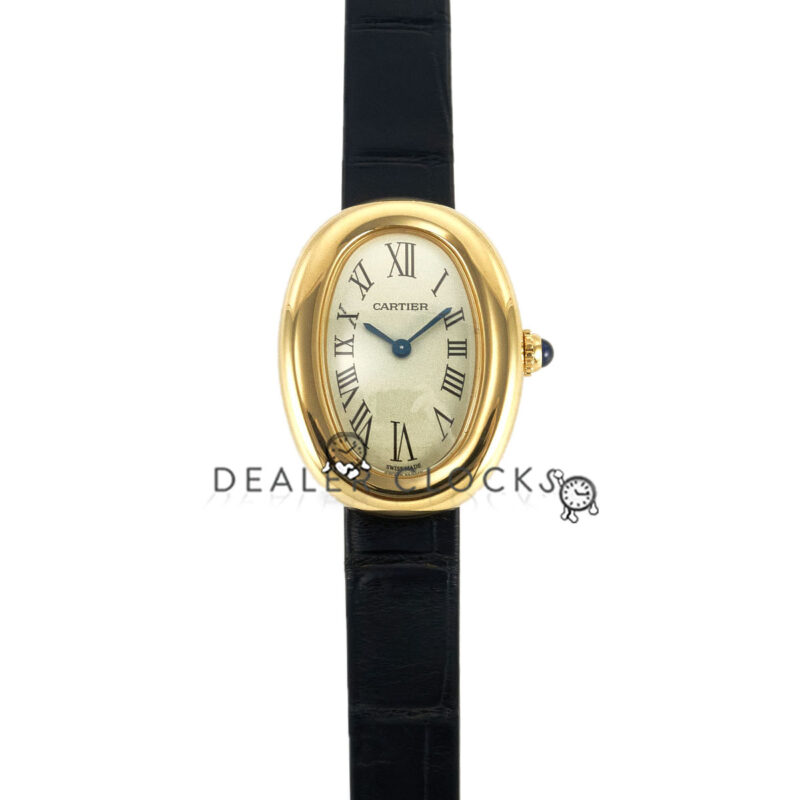 your own wrist width. Cheap Replica Blancpain Watches Choosing a watch that feels proportionate makes it look intentional and perfectly tailored.
Where you can buy best replica watches with high quality : Replica Cartier Watches Online